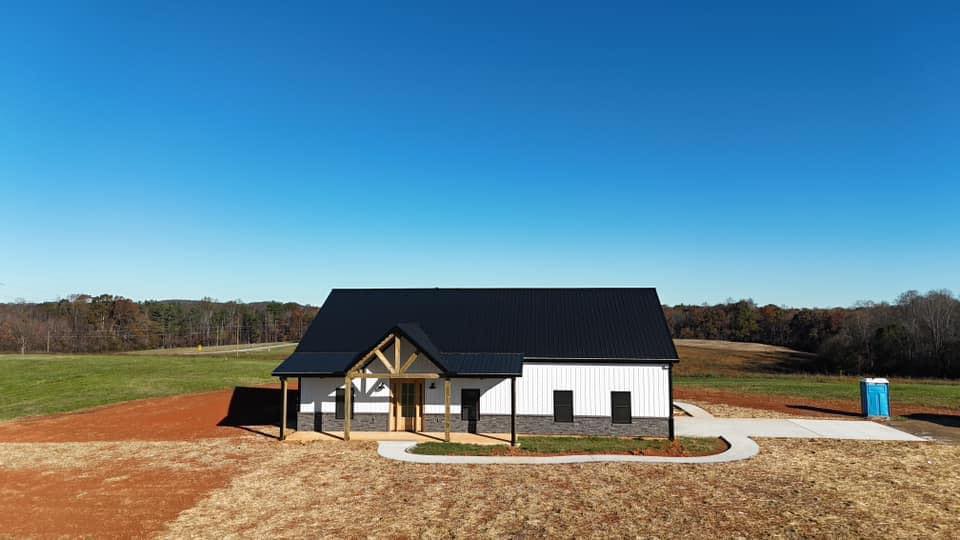
Future-Proofing Buildings: Innovative Designs by Ridgeline Construction Dec 19, 2025
The foundation of future-proof buildings lies in smart and sustainable design. Ridgeline Construction begins with an in-depth assessment of environmental impacts and building performance. Sustainable practices include optimizing energy use, reducing waste, and incorporating renewable energy sources. For instance, integrating solar panels or wind turbines can significantly reduce energy costs and environmental footprint. Furthermore, Ridgeline employs energy-efficient insulation and windows, which not only conserve energy but also improve indoor air quality and comfort for occupants.
Another critical aspect is adaptability. Buildings need to accommodate changing needs over time. Ridgeline Construction incorporates flexible layouts that allow for easy reconfiguration of spaces without undergoing major renovations. This flexibility future-proofs buildings by extending their useful life, accommodating diverse purposes, from residential to commercial use. The use of modular construction is a perfect example, as it allows for sections of a building to be constructed off-site, ensuring precision and saving time. These modules can be rearranged or expanded based on future requirements.
A focus on resilient design is also central to Ridgeline's approach. Buildings today must withstand extreme weather conditions, such as hurricanes, floods, and earthquakes. Ridgeline employs materials and structural designs that enhance a building's ability to endure such challenges. For example, using reinforced concrete, steel framing, and advanced anchoring techniques can significantly improve a building’s structural integrity. Moreover, site analysis is crucial, helping to avoid areas prone to natural disasters and thus mitigating potential risks.
Technology plays a pivotal role in future-proofing, and Ridgeline Construction seamlessly integrates advanced technology into every project. Smart building technologies like automated lighting, heating, and cooling systems optimize energy use while improving comfort and convenience for users. Additionally, implementing IoT devices allows building systems to communicate with each other, providing real-time data that aids in maintenance and management, preventing minor issues from escalating into major problems.
Environmental and technological considerations are not the only factors in future-proofing. The human element is vital. Ridgeline prioritizes designing spaces that enhance well-being and productivity. Natural light, green spaces, and ergonomic design all contribute to healthier, more enjoyable environments. This focus not only benefits occupants but also maximizes the long-term value of the property.
In conclusion, future-proofing buildings requires a holistic approach that encompasses sustainability, adaptability, resilience, technology integration, and human-centered design. Ridgeline Construction exemplifies how innovative strategies can meet modern challenges head-on, ensuring their buildings remain functional and valuable for decades. As industry leaders, they are setting a standard for the construction industry that others can aspire to. Whether it's an urban skyscraper or a suburban home, future-proofing is more than a trend—it's a necessity that promises a sustainable, adaptable, and resilient future.
/filters:no_upscale()/filters:format(webp)/media/8fd3e1df-b923-4710-a55d-7f5c5b8d589f.jpeg)